Namib Race 2026
Namib Race 2026: 7-day, 250km self-supported ultra through the world's oldest desert. August 16-22, Swakopmund, Namibia. By RacingThePlanet.
Information
Contact
Formats
Description
250 Kilometres Through the World's Oldest Desert
The Namib Race is one of the world's most extreme multi-stage ultra-marathons, a 7-day, 250-kilometre self-supported footrace through the heart of the Namib Desert in Namibia. Organised by RacingThePlanet, the world's leading desert ultra series, the Namib Race takes runners through the oldest desert on Earth, across dried riverbeds, expansive dune fields, grasslands and volcanic terrain in one of the most stunning and challenging environments imaginable.
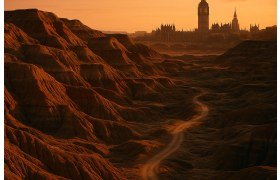
The Namib Desert, estimated to be 55-80 million years old, contains the world's tallest sand dunes and some of the most dramatic desert landscapes on the planet. The race offers an unparalleled combination of extreme physical challenge and extraordinary natural beauty, from the towering red dunes of the Namib Sand Sea (a UNESCO World Heritage Site) to the stark, moon-like landscapes of the desert interior.
Race Format
250 km — 7 Stages
The Namib Race follows the classic RacingThePlanet format: 250 kilometres covered over 7 stages across 7 days. Competitors are self-supported, carrying all their food and equipment in a backpack, with water and tent accommodation provided at camp. One stage is a "long march" of approximately 80 kilometres that must be completed within a 24-hour cutoff, while other stages range from 20 to 40 kilometres.
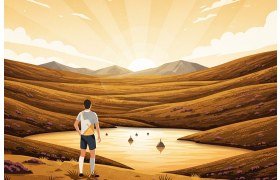
The course traverses the full spectrum of Namib Desert terrain: soft sand dunes, hard-packed gravel plains, dried riverbeds, rocky canyons and vast open desert with distant mountain backdrops. The landscape changes dramatically from stage to stage, keeping the experience visually stunning throughout the week.
Terrain and Conditions
Running in the Namib Desert presents extreme challenges. Daytime temperatures can exceed 40°C, while nights can drop to near-freezing due to the desert's extreme diurnal temperature range. Sand is the dominant terrain feature — from the soft dunes that sap energy with every step to the hard-packed reg (desert pavement) that offers fast running. Dried riverbeds provide varied surfaces of sand, gravel and rock.
The desert wind is a constant factor, carrying fine sand that penetrates everything and can reduce visibility during sandstorm conditions. The extreme aridity and heat demand meticulous attention to hydration, nutrition and foot care — blisters and heat-related issues are the most common reasons for withdrawal.
Practical Information
- Self-supported: runners carry all food, clothing and mandatory equipment — only water and tent space provided
- Mandatory equipment: comprehensive kit list including signalling mirror, anti-venom pump, 2,000 calories of food per day minimum, sleeping bag, headlamp
- Getting there: fly into Windhoek Hosea Kutako International Airport (WDH), with transfers to Swakopmund provided by the organisation
- Entry: limited field size — early registration recommended as the event sells out
What does self-supported mean at the Namib Race?
Self-supported means runners must carry all their food, clothing and required equipment in a backpack for the entire 7-day race. The organisation provides water at checkpoints and camp, shared tent accommodation, and medical support. Runners typically carry 8-10 kg and must plan their nutrition carefully for the full week, carrying at least 2,000 calories per day.
How hot does it get during the Namib Race?
Daytime temperatures in the Namib Desert can exceed 40°C during August. However, the desert's extreme diurnal range means nights can drop to near-freezing. Runners must prepare for both extremes. August is technically Namibian winter, which is the "cooler" season — summer temperatures would be significantly more dangerous.
Is the Namib Race suitable for first-time ultra runners?
The Namib Race is an extremely demanding event and is not recommended for first-time ultra runners. RacingThePlanet recommends significant prior experience with multi-day endurance events and desert running. The combination of extreme heat, self-supported format, soft sand terrain and 250 km distance makes this one of the most challenging foot races in the world.
Share it with one of your triathlete friends. 🙏