





🍽️ Why is nutrition crucial in endurance sports?
Whether you're stringing together kilometers on the road, on a trail, or across three disciplines, your body is put to the test. Nutrition 🥗 is not just a detail; it's a pillar of performance. A suitable nutritional strategy will allow you to:
- ✅ Optimize your physical performance
- ✅ Prevent muscle fatigue and injuries
- ✅ Recover better after each effort
Knowing what to eat and when is a skill in itself, just like training. It's what will help you avoid energy crashes, digestive issues, cramps, or hypoglycemia.
🥣 What to eat before a training session or a race?
The goal is to refuel without overloading your digestive system. The ideal pre-effort meal is rich in **complex carbohydrates** and low in fat and fiber. It should be consumed about **2.5 to 3 hours before** the start. Here are some examples:
- **Breakfast:** oatmeal or rice pudding, whole-grain bread + honey or jam.
- **Lunch:** rice, pasta, or sweet potato, with a protein source and few cooked vegetables.
Remember to hydrate well with water from the moment you wake up. A small snack (fruit compote, banana) is possible an hour before if you feel the need.
⚡ During the effort: the fuel for your engine
Your body needs readily available energy: **simple carbohydrates**, **electrolytes**, and water. The strategy depends on the duration and intensity.
👉 For short efforts (< 1h30)
Good hydration with water is more than enough, unless the temperature is very high. No need to load up on gels and bars.
👉 For medium efforts (1h30 - 3h)
It's recommended to take solid and/or liquid carbohydrates every **30 to 45 minutes**: gels, compotes, soft bars, energy drinks. Remember to test your strategy during training.
👉 For long efforts (> 3h)
Your body needs a regular and sufficient supply, about **60 to 90 g of carbohydrates per hour**. Vary your sources to avoid digestive saturation: energy drink, gels, but also solid foods (bananas, bars, savory sandwiches on a trail).
💧 Managing your hydration
Hydration is your best ally against fatigue and heat stroke. Don't just drink when you're thirsty!
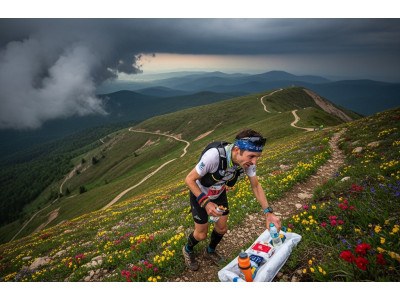
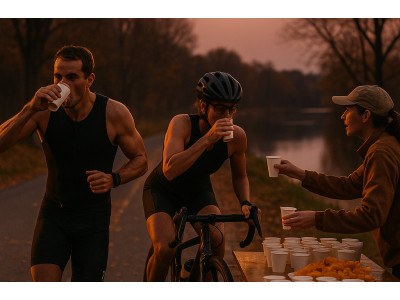
- **During the race:** Drink in small sips, regularly (every 15-20 min), and not a whole bottle at once.
- **During training:** 500 ml to 1 L of water per hour of effort.
- **Think about electrolytes**: For long efforts or in hot weather, a drink with sodium and potassium helps compensate for losses from sweating.
🍲 After the effort: recovering well to get back at it
The recovery phase is just as important as the session itself. In the **30 to 60 minutes** post-effort, prioritize a snack combining **carbohydrates and protein** to repair muscle fibers and replenish your reserves.
- 🥛 **Protein:** (shake, yogurt, eggs, legumes)
- 🥔 **Carbohydrates:** (rice, sweet potato, whole-grain bread)
- 💧 **Hydration:** water, recovery drink, or tea.
📚 Practical tips and mistakes to avoid
Good sports nutrition is based on planning and experimentation. Here are some golden rules:
- 🚫 Never test a new food or product on race day.
- ⚖️ Avoid overly heavy meals the night before a race.
- 🗓️ **Train your stomach**: simulate your fueling during a long session.
- 🥑 Opt for a simple and natural daily diet.