Neuro-Nutrition: The Secret Weapon Against Quitting in Ultra-Trails
By Sarah — translated from an article by Clara Atem Published on 07/04/2026 at 08h31 Reading time : 10 minutes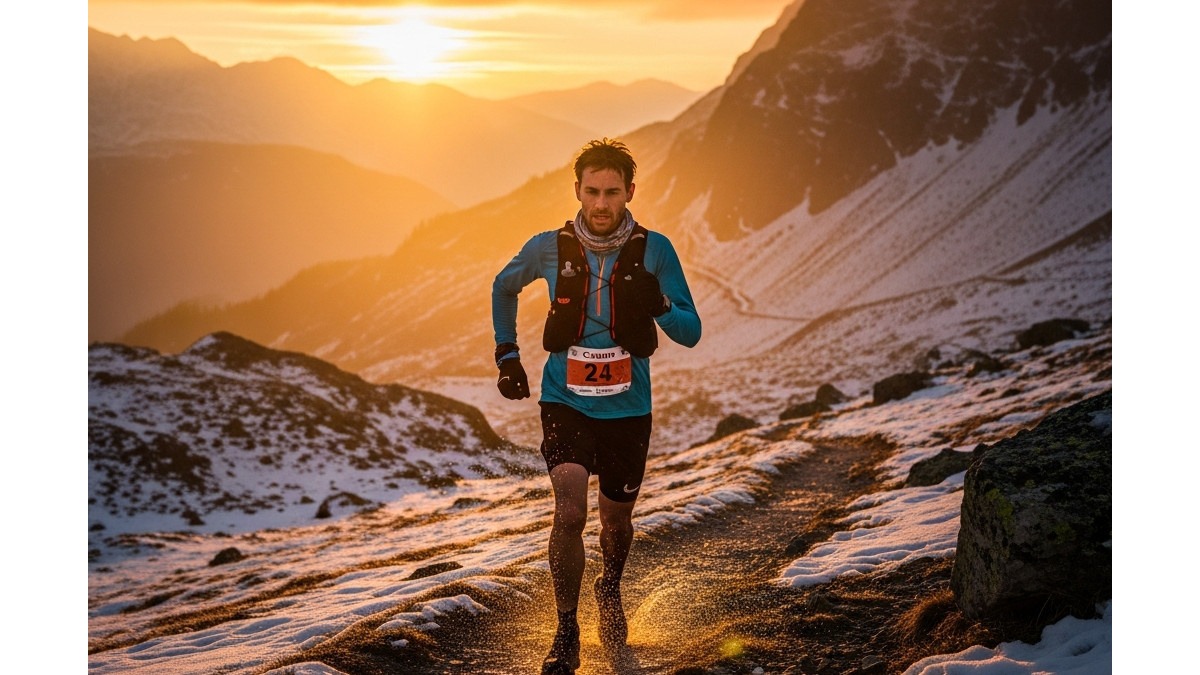
Neuro-Nutrition: The Secret Weapon Against Quitting in Ultra-Trails
I still remember that 120th kilometer on the steep trails of Mercantour. The sun was setting, painting the sky in shades of orange and purple. My legs, surprisingly, were still responding well. I could run on the false flats, climb without collapsing. But in my head, it was a different story. A sneaky little voice had begun its undermining work hours before. “What’s the point?”, “You’ll never make it”, “The sweep vehicle must be right behind”. That kind of fatigue, the one that doesn't come from the muscles but from the depths of your brain, is the most formidable. It's the one that pushes you to sit on a rock and never get up again. It's what turns a dream into a DNF.
For years, like many of us, I thought that ultra-trail running was primarily a matter of legs, cardio, and managing physical effort. I weighed my powders, calculated my calories, and optimized my carbohydrate intake. And yet, I continued to flirt with that mental barrier, that invisible wall that has nothing to do with the famous marathon wall. Until the day I understood that I was feeding my muscles, but starving my pilot: my brain.
That's when I discovered neuro-nutrition. A word that may seem complex, but which hides a disarmingly simple reality: what you eat has a direct and staggering impact on your motivation, your clarity, your ability to make decisions, and ultimately, your will to keep moving forward. Quite simply, neuro-nutrition is the art of fueling your mind. It's the secret weapon that transforms an ordeal of suffering into a manageable adventure. In the field, it's what makes the difference between a DNF (Did Not Finish) and a finish line crossed with a smile. So, are you ready to discover how to feed the warrior within your mind?
What is a "bonk"? Beyond heavy legs
We've all experienced it. That moment when the urge to give up is stronger than the physical pain. That mental fog that sets in, where even tying your shoes becomes a Herculean task. We blame it on general fatigue, but it's more specific than that. We need to distinguish between two types of fatigue that, although related, do not have the same origin.
Central Fatigue vs. Peripheral Fatigue
Peripheral fatigue is the most obvious one. It's when your quads are burning on a climb, your calves are on fire, and your muscle glycogen stores are at their lowest. It's fatigue localized in your muscles. We learn to manage it with training, stretching, proper hydration, and a regular intake of carbohydrates. This is the foundation of classic sports nutrition.
But central fatigue is something else entirely. It originates directly in your central nervous system, meaning your brain and spinal cord. It's a decrease in willpower, a reduction in the motor command sent from the brain to the muscles. Your muscles might still be able, but your brain says STOP. It reduces the signal, as if to protect you. It's a feeling of general weariness, a loss of motivation, an increase in the perceived effort. A mountain pass that seemed easy 10 hours ago suddenly becomes an insurmountable peak, not because your legs have given out, but because your head has given up. This fatigue is much more insidious because it can't be measured in lactate levels or heart rate.
The key role of neurotransmitters: your brain's messengers
To understand central fatigue, we need to look at our brain's biochemistry. Imagine chemical messengers that transmit information between your neurons. These are neurotransmitters. In an ultra-trail, their balance is severely tested, and their deregulation is often the cause of our mental failures.
- Dopamine: This is the molecule of motivation, reward, and pleasure. Every time you reach a summit, pass another runner, or eat something good at an aid station, your brain releases dopamine. It's what makes you want to continue. But after hours of effort, dopamine production gets depleted. The result? A loss of motivation, the feeling that “it’s not worth it anymore.”
- Serotonin: Often called the happiness hormone, it regulates mood, sleep, and... the perception of fatigue. During prolonged effort, an amino acid, tryptophan, flows to the brain and is converted into serotonin. An excess of serotonin can increase feelings of fatigue and lethargy. This is the classic “I just want to sleep” feeling.
- Acetylcholine: Essential for concentration, alertness, and muscle contraction. When you need to focus on a technical trail in the middle of the night, thank your acetylcholine. A drop in its levels leads to decreased lucidity, slower reaction times, and an increased risk of falling.
- Norepinephrine: This is the neurotransmitter for alertness and vigilance. It allows you to stay focused and reactive. Just like dopamine, its levels can drop after long hours, leaving you in a state of mental fog.
Understanding this means realizing that we can take action! By choosing the right foods, we can provide our brain with the building blocks (precursor amino acids) to continue producing these precious messengers.
Hypoglycemia, Your Brain's Public Enemy #1
If there's one culprit we all know, it's this one. The brain, although it only represents 2% of our body weight, consumes about 20% of our total glucose intake on its own. It's a real energy glutton. When your blood sugar (the level of sugar in your blood) drops, your muscles can still function for a while by using fats, but your brain immediately sounds the alarm.
The symptoms of cerebral hypoglycemia are unmistakable: irritability, confusion, blurred vision, difficulty speaking, and above all, an inability to make simple decisions. Choosing between a fruit pouch and an energy bar becomes an impossible dilemma. This is precisely what is described in the article on decision fatigue in ultra-trail running: when the brain gives up before the legs. A brain deprived of sugar is a brain that can no longer analyze, anticipate, and decide correctly. This opens the door to mistakes that can cost you the race: forgetting to refill your bottles, misreading the course markers, or simply deciding to quit on an irrational whim.
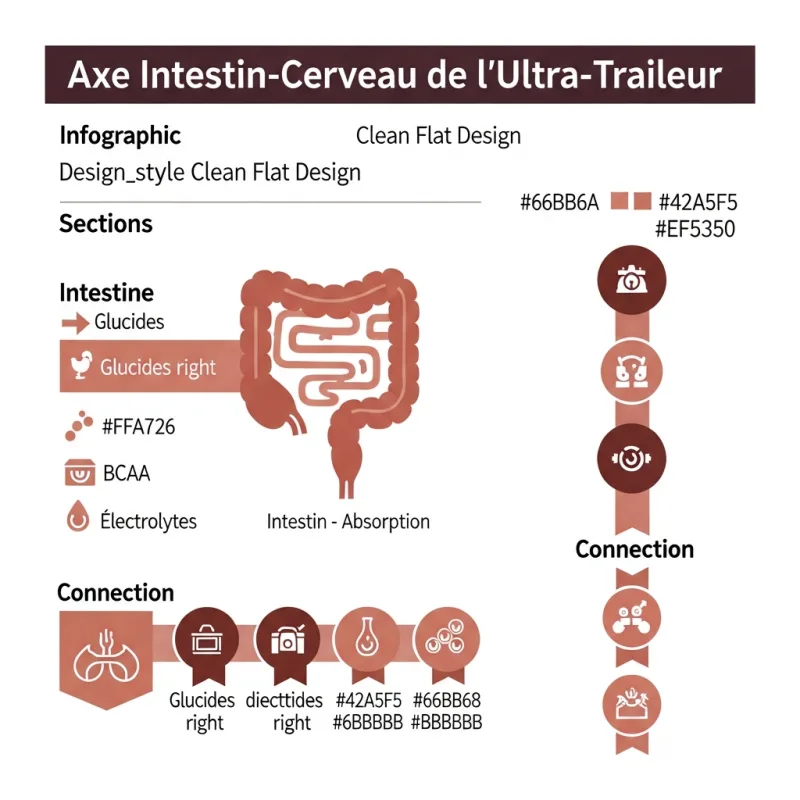
Fueling Your Brain Before, During, and After the Ultra
Now that we've laid the groundwork, let's get practical. How do we turn this knowledge into a winning strategy on the course? Neuro-nutrition isn't a magic formula; it's a comprehensive approach that starts long before the starting line and ends long after the finish.
Before the race: Charging the cognitive batteries
The classic mistake is to focus solely on muscle glycogen stores. But filling your brain's tank is just as crucial. Here are the pillars of your mental nutritional preparation.
- Complex carbohydrates: In the week leading up to the event, gradually increase the proportion of complex carbs in your diet. Think whole wheat pasta, basmati rice, quinoa, sweet potatoes, rolled oats... They ensure a slow and stable release of energy, avoiding the blood sugar spikes and crashes that tire your nervous system before you even start.
- Precursor amino acids: Give your brain the raw materials it needs. Include foods rich in:
- Tyrosine: The precursor to dopamine and norepinephrine (motivation, alertness). You'll find it in almonds, avocados, bananas, sesame seeds, dairy products, and poultry. A few almonds as a snack or half an avocado in your salad are simple and effective gestures.
- Tryptophan: The precursor to serotonin (mood). Be careful, we don't want too much of it during the race, but having good levels beforehand promotes good sleep and a stable mood. Cashews, turkey, eggs, legumes, and chia seeds are good sources.
- Omega-3s (EPA/DHA): These good fats are the main components of your neuronal membranes. They ensure the fluidity of communication between neurons. A good intake beforehand (fatty fish like salmon, sardines, mackerel, but also rapeseed oil, walnuts, flaxseeds, and chia seeds) helps maintain optimal cognitive function and fight inflammation.
- Hydration: It can't be said enough. A brain is 75% water. Slight dehydration (1-2%) is enough to impair your concentration, memory, and reaction time. In the week before, drink regularly throughout the day, without waiting to feel thirsty. Aim for clear urine.
During the effort: The smart fueling that makes a difference
This is the heart of the matter. Every bite, every sip should have a dual purpose: to fuel your muscles AND your brain. Here are the elements you should never neglect in your pack.
- Carbohydrates, again and again: This is your brain's number one fuel. The key is consistency. Aim for 60 to 90 grams of carbohydrates per hour, depending on your digestive tolerance. The ideal is to combine different sources of sugar, like glucose and fructose (found in many sports drinks, gels, and naturally in fruits or agave syrup), as they use different entry points into the body, which optimizes absorption and limits digestive saturation.
- Branched-Chain Amino Acids (BCAAs): Leucine, isoleucine, and valine are precious allies. Their superpower? They compete with tryptophan to cross the blood-brain barrier (the gateway to the brain). By consuming BCAAs during exercise, you limit the entry of tryptophan into the brain, and therefore the production of serotonin. Less serotonin means less perception of fatigue. Many drinks or gels contain them, but you can also opt for specific capsules if you know you are sensitive to it. It's essential to test this in training!
- Electrolytes: Sodium, potassium, and magnesium don't just prevent cramps. They are fundamental for nerve impulse transmission. Without them, communication between your brain and your muscles slows down. A well-formulated sports drink should contain them. Also think about salty broths, pretzels, or TUC crackers at aid stations.
- Caffeine: This is the ultimate cognitive booster. It blocks adenosine receptors, a molecule that accumulates and causes the sensation of fatigue. It improves alertness, concentration, and reduces the perception of effort. But be careful, it's a double-edged sword. Consumed too early, it can cause a crash. It's best to save it for the second half of the race, especially to tackle the night. A dose of 3mg per kg of body weight is often effective. Alternate sources (gels, drinks, coffee at aid stations) to avoid saturation.
- The power of "real" food: Never underestimate the psychological impact of "real" food. On the course, after hours of chemical-tasting gels, a bite of salty potato, a piece of banana, or a hot soup can work wonders for your morale. It's a shot of dopamine as much as an energy intake. Remember to vary textures and flavors (sweet, salty, sour) to avoid food fatigue.
After the race: Repairing the body AND the mind
The finish line is crossed, but the work isn't over. Recovery is also a neurological process.
As soon as the effort ends, the famous "metabolic window" is open. Take advantage of it to consume a drink or meal combining proteins (to rebuild damaged muscle fibers) and carbohydrates (to replenish glycogen stores). This duo is also beneficial for your brain, which needs to replenish its reserves and materials to repair neurons.
Next, focus on antioxidants. An ultra-trail generates massive oxidative stress, which damages cells, including brain cells. Fill up on red berries, green vegetables, and spices like turmeric. These foods will help "cleanse" your body and reduce inflammation, which can contribute to post-race mental fog.
Finally, listen to yourself. Treat yourself to a comforting meal, a dish you truly love. The pleasure of eating, sharing a meal with your loved ones, is also a form of neuro-nutrition. It's about closing the adventure on a positive note, which is essential for the desire to get back on the trails. Above all, have fun—that applies to recovery too!
From Theory to Practice: My Battle Plan for a 100-Miler
To make it more concrete, I'll share my own strategy, one that I've refined over many races and mistakes. It's not a universal truth, but a foundation you can adapt to your own needs and tastes. The important thing is to test, test, and test again in training.
The week before the race (D-7 to D-1)
My goal is simple: arrive at the starting line with full tanks (muscles and brain) and a rested digestive system.
- D-7 to D-4: Normal, healthy, and balanced diet. I make sure to have a good source of protein at each meal, lots of colorful vegetables (for antioxidants), and complex carbohydrates. I start to increase my hydration (about 2L of water per day, outside of training). I make sure to eat almonds, walnuts, and a bit of avocado every day for tyrosine and good fats.
- D-3 to D-1: This is the beginning of the carb-loading phase. I increase the proportion of carbohydrates at each meal (about 60-70% of the plate) while reducing fiber (fewer raw vegetables, I prefer cooked and peeled vegetables) and fats to aid digestion. The last meal, the evening before, is simple: white rice, a bit of chicken or white fish, and a fruit puree for dessert. And of course, I continue to drink plenty of water.
Race Day: The breakfast of a champion (and of the brain)
The most important meal of the day! It should be eaten about 3 hours before the start to allow for complete digestion. My winning combo, tested and approved dozens of times:
A large bowl of porridge (oatmeal cooked with almond milk), to which I add:
- A sliced banana (potassium and carbs).
- A tablespoon of almond butter (tyrosine and good fats).
- A teaspoon of maple syrup (quick sugar for a morning boost).
- A few crushed walnuts (omega-3s).
It's easy to digest, rich in complex carbohydrates, and contains those crucial precursors for my brain. With this, I know I'm starting with the right cards in my hand.
In-race fueling plan (example hour by hour)
My mantra: eat small amounts very often. I set an alarm on my watch for every 30-45 minutes.
- Hours 1-4: The effort is still at a low intensity. I focus on hydration with my sports drink (containing carbohydrates and electrolytes). Every hour, I take something easy to digest: a fruit pouch, half a gel, or a fruit paste chew. The goal is to start compensating for losses without overloading the stomach.
- Hours 5-10: The effort intensifies. I continue with the same base, but I introduce more solid and salty foods. For example, half a homemade energy bar every 90 minutes. At an aid station, I take the time to eat a few TUC crackers or pretzels. If my drink doesn't contain BCAAs, this is when I might take a capsule. It's often around the 8th hour that I take my first caffeinated gel, in anticipation of a long climb or a more difficult section.
- Hours 10-15 (often at night): This is the most critical phase mentally. The cold and darkness sap morale. This is where neuro-nutrition truly comes into its own. At every aid station, I force myself to have a hot, salty vermicelli soup. The warmth is comforting (dopamine!) and the salt is crucial. I rely on “pleasure” foods: a piece of dark chocolate, a few candies. I take a second, or even a third, caffeinated gel, spaced 2-3 hours apart, to stay alert and fight the urge to sleep.
- Hours 15 and beyond: The end is near, but food fatigue is at its peak. The sweet taste makes me nauseous. This is where my diversification strategy is vital. In my drop bags, I've packed different things: a small savory baby food pouch (like carrot), a bag of salted cashews, a mini white bread and ham sandwich. I go by what I crave, but I force myself to eat something regularly, even if it's just a sip of Coke (the late-race savior for many!). Every calorie ingested is a victory against quitting.
The Pitfalls of Ultra-Trail Nutrition and How to Outsmart Them
Even with the best plan in the world, mistakes can happen. Knowing the most common ones is the best way to avoid them. Here are the ones I've made or seen most often on the trails.
Food Monotony: the enemy of pleasure and intake
Telling yourself “I’ll just take 20 identical gels and I’ll be fine” is the worst possible mistake. After a few hours, your body, and especially your brain, will develop a real aversion to that single flavor. The result? You'll skip fuelings, enter an energy deficit, and run straight into the mental wall. The solution is simple: vary! Plan for different gel flavors, different brands, alternate with bars, fruit pouches, salty foods, and homemade options. Variety maintains appetite and the pleasure of eating, which is fundamental to going the distance.
Neglecting Salt
We're often obsessed with carbohydrates, to the point of forgetting sodium. When you sweat, you lose a huge amount of salt. A sodium deficiency (hyponatremia) is extremely dangerous, and its symptoms resemble those of hypoglycemia (confusion, nausea, dizziness), which can lead to a misdiagnosis during the race. Make sure your sports drink is well-dosed in sodium, and take advantage of aid stations to eat salty foods: chips, TUC crackers, broth, cheese, sausage... Your body and brain will thank you.
Relying Solely on Gels and Powders
Sports nutrition products are technically perfect: optimized carbohydrate ratios, rapid assimilation... But they don't nourish the spirit. Chewing something solid, feeling a texture, having a “real” taste in your mouth sends signals of satisfaction to your brain that a gel can never replicate. Integrating some real food into your strategy is essential for the psychological aspect of fueling. Simply put, it's good for morale.
Waiting Until You're Hungry or Thirsty to Fuel
It's the basic rule, but it's so often forgotten. In an ultra, when the feeling of hunger or thirst appears, it's already too late. The deficit is already there, and it's very difficult to make up for it during effort. You have to be proactive. Eat and drink ahead of time, in a regular and planned manner, even if you don't feel the immediate need. This is the key to maintaining stable energy and lucidity from the first to the last kilometer.
Testing a New Strategy on Race Day
“Someone told me this new gel is revolutionary, I'm going to try it on my ultra!”: a sentence spoken just before a digestive catastrophe. Every long run, every training weekend should be a dress rehearsal for your nutrition strategy. This is the time to test the digestibility of your bars, the taste of your drink after 8 hours of effort, your reaction to caffeine. On race day, you don't invent anything. You execute a plan that has been validated and proven. Confidence in your nutrition strategy is an incredible mental strength.
Neuro-Nutrition: More Than a Strategy, a Mindset
In the end, as you've understood, neuro-nutrition is not just a list of foods to ingest. It's a new way of approaching ultra-endurance. It's about realizing that your brain is an ally that must be cherished, listened to, and above all, well-fed. It's accepting that performance is not just a matter of VO2max or lactate thresholds, but also a subtle balance between dopamine and serotonin, between glucose and electrolytes.
By integrating these principles, you won't just improve your performance. You will, above all, transform your race experience. Fewer abysmal lows, more clarity to manage difficult moments, a better ability to savor the incredible landscapes you pass through. Because that's what it's all about. An ultra-trail is an adventure, an inner journey as much as a physical one.
So the next time you pack your bag, don't just think about fueling your legs. Think about fueling your willpower, your concentration, and your joy of being there. That might just be the secret to endurance. And never forget the golden rule: above all, have fun.
Answers to your questions about neuro-nutrition in trail running
Can you really avoid the mental "wall" with nutrition alone?
Nutrition is a fundamental pillar for pushing back or even avoiding the mental wall, but it's not the only factor. An excellent neuro-nutrition strategy can prevent failures related to hypoglycemia and neurotransmitter imbalances. However, mental training (visualization, managing negative thoughts), adequate physical preparation, and good sleep management are just as crucial. Let's say neuro-nutrition is often the missing piece of the puzzle that allows everything else to function optimally.
What are the 3 most important foods to carry during an ultra?
There's no universal magic trio, as it depends on individual tolerance. But if I had to put together a "neuro-nutritional" survival kit, I would choose: 1) A source of fast and easy-to-ingest carbohydrates for slumps (a fruit pouch or gel). 2) A more sustainable energy source with varied textures to avoid food fatigue (a homemade oatmeal and date bar). 3) A salty source to compensate for sodium loss and break the sweet taste (a bag of pretzels or salted cashews). This combination covers the essential needs.
Should you take BCAA supplements, or is food enough?
For the majority of trail runners and on distances up to 80-100 km, a well-planned race nutrition strategy, including bars or drinks enriched with protein or BCAAs, is generally sufficient. For very long formats (100 miles and more), where central fatigue becomes a major factor, targeted BCAA supplementation (in capsules or powder) can provide a real benefit by delaying the perception of fatigue. The golden rule remains the same: you must test it on several long runs to validate your tolerance and how you feel.
How to manage nausea and the inability to eat?
Nausea is a sign that your digestive system is in distress, often due to an intensity that's too high, dehydration, or a sugar overload. The first thing to do is to slow down, or even walk. Then, prioritize liquids: plain water, a warm broth, or an electrolyte drink. If you can eat, opt for very simple and neutral foods, like a piece of bread, a few TUC crackers, or half a banana. The important thing is to continue absorbing small amounts very regularly, rather than stopping intake altogether. It's also worth knowing that the digestive system, like muscles, can be trained!