Bristol Triathlon: Navigating Road Closures This Weekend
By Jessica Published on 14/07/2026 at 08h48 Reading time : 3 minutes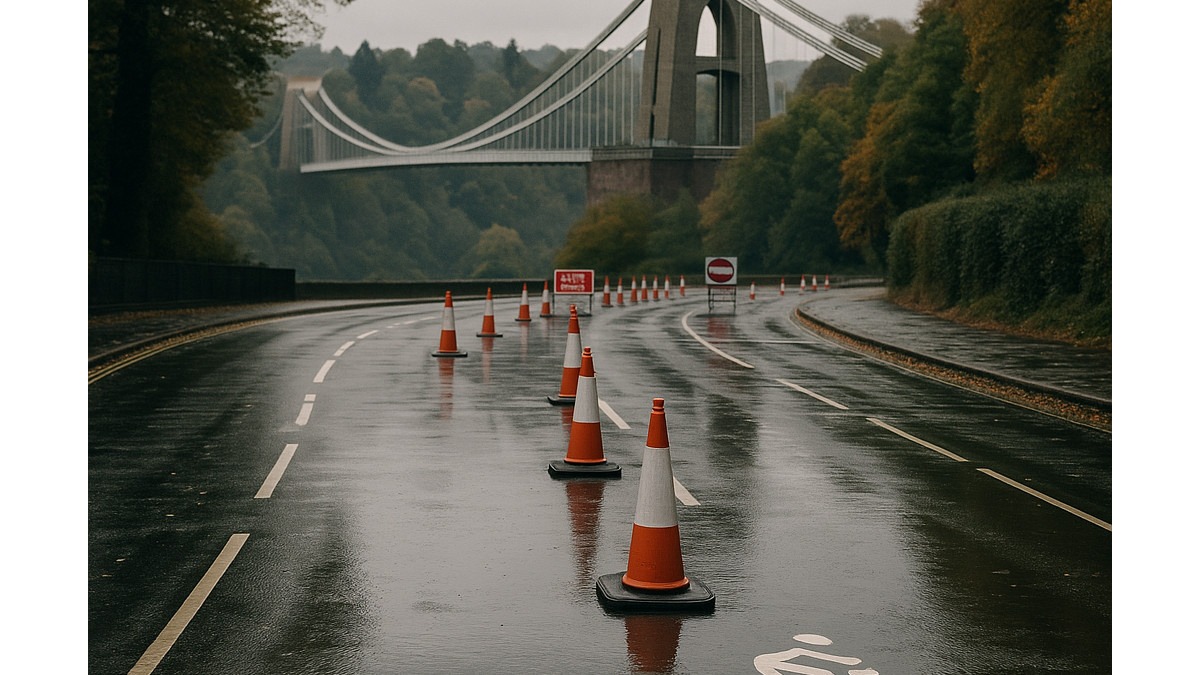
Bristol Prepares for a Weekend of Endurance Sport
The city of Bristol is set to buzz with athletic energy this weekend as it hosts the much-anticipated Bristol Triathlon. Hundreds of athletes will take to the water, roads, and pathways to test their limits in the swim, bike, and run disciplines. While this brings a fantastic atmosphere of determination and community spirit to the city, it also requires significant logistical planning, most notably a series of road closures to ensure the safety of everyone involved. Among the key routes affected is the Portway, a major artery that will be temporarily transformed into a race course. This guide will explore why these measures are crucial and how athletes, spectators, and residents can best navigate the city during this exciting event.
The Anatomy of a City Triathlon: Crafting a Safe Urban Course
Staging a triathlon in a bustling urban environment like Bristol is a complex undertaking. Unlike events held in more rural or self-contained locations, a city triathlon course must weave through an existing infrastructure of roads, bridges, and public spaces. The goal is to create a route that is challenging for the athletes, exciting for spectators, and, above all, completely safe. This is where road closures become non-negotiable.
The Three-Part Challenge
A triathlon course needs to accommodate three distinct sports with different requirements:
- The Swim: Typically held in a controlled body of water, this leg requires clear access points for athletes entering and exiting, as well as secure areas for the first transition (T1).
- The Bike: This is the longest portion of the race and the primary reason for extensive road closures. Athletes on time-trial bikes can reach very high speeds, making it impossible to share the road with vehicular traffic. Securing a car-free circuit is the only way to prevent serious accidents.
- The Run: While slower than the bike leg, the run still requires a protected route. Athletes are often fatigued and focused, so a clear path free from traffic and other unexpected obstacles is essential for their safety and performance.
The selection of roads like the Portway is a strategic choice. Such routes often offer long, uninterrupted stretches that allow cyclists to maintain speed and rhythm safely, something that is difficult to achieve on smaller, more complex city streets.
Athlete Safety: The Driving Force Behind Road Closures
The number one priority for any race organizer is athlete safety. In triathlon, where competitors push their physical and mental boundaries, creating a controlled environment is paramount. Road closures eliminate the single biggest risk factor in the bike and run legs: collisions with motor vehicles.
Think about the dynamics of the bike course. Triathletes are not casual cyclists; they are racers. They ride in aerodynamic positions that can limit peripheral vision, focus intently on their power output and heart rate, and navigate corners at speed. The presence of even a single car on the course could be catastrophic. By closing roads like the Portway, organizers create a sterile racing environment where athletes can focus solely on their performance without fearing for their lives. This allows for a fair, competitive, and thrilling race for everyone involved.
A Guide for Athletes and Spectators: Plan Your Weekend
For those participating in or watching the Bristol Triathlon, the road closures are a key part of the day's logistics. A little planning goes a long way to ensure a smooth and stress-free experience. 🏃♀️🚴♂️🏊♂️
Tips for Athletes
Your race day success depends on more than just your training. Getting to the start line on time and with all your gear is a critical first step. With a full list of closures in effect, you must plan your travel meticulously.
- Arrive Early: Give yourself far more time than you think you need. Account for traffic diversions and potential delays getting into the city.
- Study the Maps: Race organizers provide maps of the closures. Study them carefully to plan your route to the registration and transition areas. Identify designated parking and consider being dropped off.
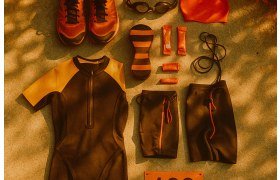
- Pack Smart: Have your race gear organized the night before. Knowing exactly where everything is will save you time and reduce stress on race morning.
This level of preparation is often called The Triathlete's 4th Discipline: A Guide to Mastering Logistics, and mastering it can be as crucial as your swim, bike, or run.
Tips for Spectators
Supporting friends and family is one of the best parts of race day! To make the most of it:
- Use Public Transport: Leave the car at home. Trains and buses will be the most reliable way to get close to the action without getting stuck in diverted traffic.
- Pick a Spot and Stay: Trying to see your athlete at multiple points can be difficult with road closures. Find a good vantage point with a great atmosphere, perhaps near the finish line or a transition zone, and cheer on all the competitors.
- Be Prepared: Bring water, snacks, and appropriate clothing for the weather. It could be a long day, but the energy of the crowd is infectious!
Celebrating a City in Motion
While road closures can cause temporary disruption, their purpose serves a greater goal: to host a world-class sporting event that showcases the best of Bristol. These events inspire the community, promote a healthy and active lifestyle, and bring an incredible economic and social boost to the city. By transforming roads like the Portway into a stage for human endurance, Bristol celebrates the spirit of sport. So, this weekend, whether you are racing, cheering, or simply navigating the city, let's embrace the excitement of the Bristol Triathlon and support the incredible athletes taking on this challenge.