How to Choose the Perfect Running Vest: An Ultra Runner's Guide
By Jessica Published on 04/08/2026 at 08h50 Reading time : 2 minutes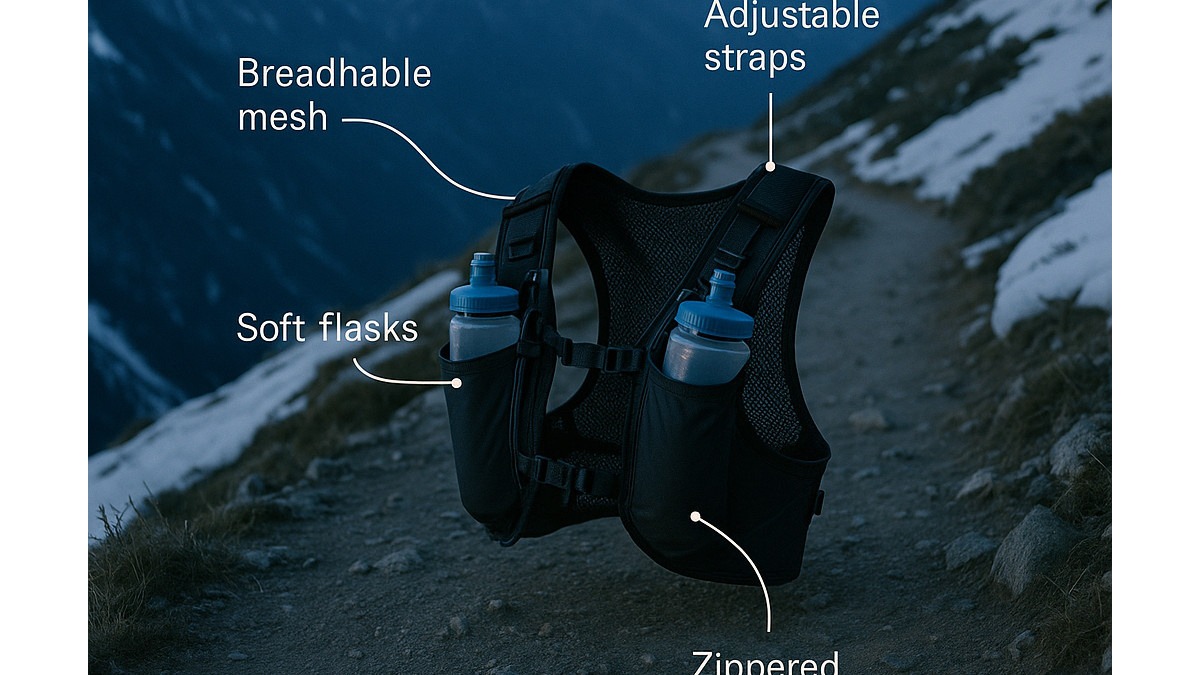
Unlock Your Running Potential with the Right Hydration Vest
For any runner venturing beyond short city loops, a running vest or hydration pack is no longer a luxury—it's an essential piece of equipment. Whether you're tackling your first trail half-marathon or preparing for an ultra, the ability to comfortably carry water, fuel, and gear can make or break your performance. A well-designed running vest moves with your body, offering a bounce-free solution to hydration and storage, leaving you free to focus on the path ahead. But with a vast market of options, how do you choose the one that's right for you? This guide, based on insights from experienced ultra runners, breaks down the key factors to consider.
Core Principles of a Great Running Vest
Before diving into specific features, it's important to understand that the best running vest is one that feels like an extension of your body. The primary goal is to carry essentials without hindering your movement or causing discomfort. Modern vests are designed to distribute weight evenly across your torso, a significant improvement over bouncing waist belts or cumbersome backpacks. They offer unparalleled access to everything you need, exactly when you need it.
Fit and Comfort: The Non-Negotiable Foundation
The single most important factor in selecting a running vest is the fit. A poorly fitting vest will bounce, chafe, and distract you from your run. Look for a vest that hugs your body snugly without restricting your breathing.
- Adjustability: Most vests feature adjustable straps on the sides and across the sternum. These allow you to dial in a precise, secure fit. Test the adjustment system to ensure it's easy to use, even on the move, and that it holds its position over long distances.
- Gender-Specific Designs: Many brands now offer vests designed specifically for men's and women's bodies. Women-specific packs often have curved shoulder straps and different sternum strap placements to accommodate the chest, significantly enhancing comfort.
- Breathable Materials: Your vest will be in direct contact with your body, so look for lightweight, breathable mesh fabrics that promote airflow and help manage sweat to prevent overheating and chafing.
Capacity and Storage: How Much Do You Really Need?
Running vests are often categorized by their storage capacity, measured in litres. Your ideal capacity depends entirely on the length and nature of your runs. It's crucial to match the pack's volume to your typical adventure.
- Minimalist Vests (Under 5 Litres): Perfect for marathon training runs or shorter trail races where you only need to carry water, a phone, keys, and a few gels.
- All-Rounder Vests (5-10 Litres): This is the sweet spot for many trail runners. These vests offer enough space for hydration, nutrition, a lightweight waterproof jacket, and other small essentials without feeling bulky.
- Ultra-Distance Vests (10+ Litres): Designed for all-day adventures and ultramarathons, these packs can accommodate mandatory race kit, extra layers, a headlamp, and more substantial nutrition.
Finding the right balance is key. For a deeper analysis of this topic, check out our Complete Guide to Choosing Your Trail Bag: Volume, Comfort, Accessories, which helps you find the perfect bag for everything from short outings to ultras!
Hydration Systems: Soft Flasks vs. Bladder
How you prefer to carry and drink your water is a major consideration. The two primary systems each have their advantages.
Soft Flasks:
- Accessibility: Located in front pockets on the shoulder straps, they are incredibly easy to drink from without breaking stride.
- Monitoring Intake: You can easily see how much fluid you have left.
- Easy Refills: Refilling flasks at aid stations is quick and simple. You can also carry different drinks (e.g., water in one, electrolytes in the other).
Hydration Bladder (Reservoir):
- Capacity: Bladders typically hold more fluid (1.5-2 litres), which is ideal for very long runs between refill points.
- Hands-Free Drinking: The drinking tube allows you to sip continuously without removing a bottle.
- Weight Distribution: A full bladder sits flat against your back, keeping the centre of gravity stable.
Many modern vests are versatile and can accommodate both systems, allowing you to tailor your setup to the specific demands of your run. 💧
Pockets and Accessibility
A great vest is defined by its pocket layout. The goal is to access your most frequently used items without having to stop and take the pack off. Pay close attention to the number and placement of pockets on the front shoulder straps. These are prime real estate for soft flasks, gels, your phone, and nutrition. Look for a mix of secure zip pockets for valuables and stretch-mesh pockets for items you need to grab quickly. Larger compartments on the back are suitable for less-used gear like a rain jacket or a first-aid kit.
Making Your Final Decision
Once you've narrowed down your options based on the features above, the final test is personal comfort. If possible, try on the vest in-store. Don't just put it on—load it with some weight to simulate a full pack. Jog on the spot and move your arms to check for any bouncing or rubbing. The right vest will feel balanced and stable, almost as if it’s not there at all. This investment in comfort and convenience will pay dividends on every run, allowing you to explore further and push your limits with confidence. Happy trails! ✨