What to Eat and Where to Dine During a Bike Hike
By Sarah — translated from an article by Anthony Anne Published on 15/12/2025 at 07h00 Reading time : 3 minutes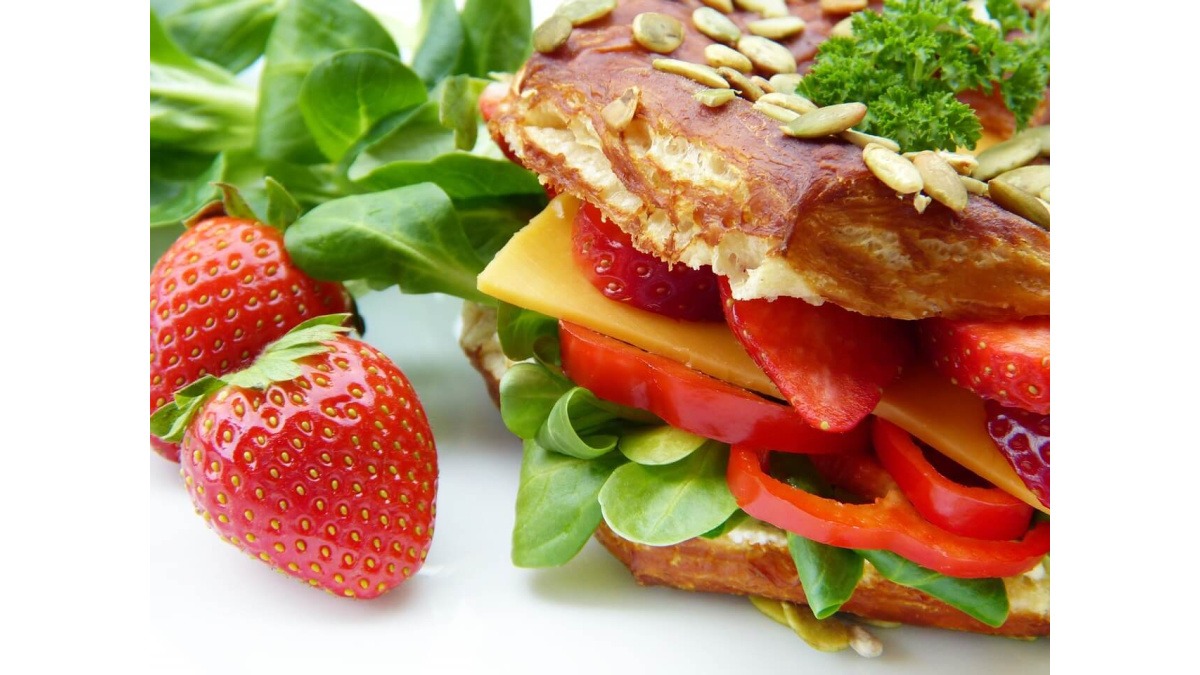
Understanding Nutrition for Bike Hikes
Embarking on a bike hike is not just about pedaling through picturesque landscapes; it's also about fueling your body properly. Nutrition plays a crucial role in optimizing performance, ensuring endurance, and enhancing recovery after your rides. In this comprehensive guide, we explore what to eat during your bike hikes and provide suggestions for where to dine along the way.
The Importance of Fueling Your Ride
Your body is like a finely tuned machine, and while cycling, it requires a steady supply of energy. The right foods can make a significant difference in how you perform on your bike hike. Proper nutrition helps maintain energy levels, boosts endurance, and supports recovery.
Macronutrients: The Building Blocks
When planning your meals or snacks for cycling, consider the three macronutrients: carbohydrates, proteins, and fats. Each plays a unique role in supporting your cycling adventures.
- Carbohydrates: The primary fuel for endurance activities. Aim for complex carbs such as whole grains, fruits, and vegetables to keep your energy levels steady.
- Proteins: Essential for muscle repair and recovery. Incorporate lean meats, dairy, beans, and nuts.
- Fats: Provides long-lasting energy. Opt for healthy fats from sources like avocados, nuts, and olive oil.
Hydration: Staying on Track
Staying hydrated while cycling is equally important as nutrition. Dehydration can lead to fatigue and decreased performance. Drink water regularly and consider electrolyte drinks during longer rides to replenish lost minerals. A general rule is to drink:
- Half a liter (16.9 oz) of water for every hour of biking.
- Electrolyte supplements or drinks if biking for over 90 minutes.
What to Eat Before Your Bike Hike
Pre-ride nutrition sets the stage for your performance. Here’s what to consider eating a few hours before you hit the road:
- Oatmeal: A great source of slow-release carbohydrates. Top it with fruits and nuts for extra energy.
- Whole grain toast with peanut butter: Offers a tasty balance of carbs and healthy fats.
- Bananas: Packed with carbs and potassium, ideal for preventing muscle cramps.
Snacks for the Road
When biking, you’ll need accessible snacks that provide energy without weighing you down. Here are some ideal options:
- Energy bars: Opt for bars with whole-food ingredients and minimal added sugars.
- Dried fruits and nuts: Lightweight, nutrient-dense, and easy to pack.
- Trail mix: Combine nuts, seeds, dried fruits, and perhaps some dark chocolate for a well-rounded snack.
- Nut butter packs: Great for a quick energy boost - pair with an apple for added carbs.
What to Eat During Your Bike Hike
During longer biking sessions, focus on fueling your body to avoid fatigue and muscle breakdown. Consider these foods:
- Sports gels: Concentrated sources of carbohydrates that are easy to digest.
- Bananas or apples: Fresh fruits provide instant energy.
- Rice cakes or tortillas with nut butter: Provides carbs and proteins, and is easy to pack.
- Electrolyte drinks: Aid in hydration and replenishment of lost salts.
Post-Ride Nutrition: The Recovery Phase
After the ride, your body needs nutrients to recover and repair. Focus on a mix of carbs and protein to restore glycogen levels and repair muscles. Here are some suggestions:
- Protein smoothie: Blend protein powder with fruits and some milk or yogurt for a quick recovery drink.
- Quinoa salad: Quinoa provides protein and when mixed with vegetables and olive oil, it makes a refreshing dish.
- Pasta with chicken or beans: Offers a hearty meal filled with high-quality carbs and proteins.
Dining Options Along the Way
Finding good places to dine during your bike hike can add joy to your journey. Here are considerations to keep in mind:
1. Plan Ahead
Research local restaurants, cafes, or markets that cater to healthy eating. Look for places that offer:
- Whole food options
- Vegetarian or vegan choices
- Local specialties that align with your nutritional needs
2. Popular Types of Dining Places
During a bike hike, consider these types of eateries that often have energy-boosting meals:
- Food trucks: Great for quick, satisfying meals with local flavors.
- Cafes: Often offer fresh salads, smoothies, and baked goods.
- Farmers markets: Perfect for grabbing fresh fruits and veggies on the go.
3. Fuel Up Right
When you sit down to eat, opt for food that will help you recharge:
- Big salads: Top them with protein such as grilled chicken or beans for a filling meal.
- Whole grain sandwiches: Fill them with lean meats, veggies, and spreads that offer healthy fats.
- Nutty granola bowls: A tasty, energizing option with yogurt and fresh fruits.
Conclusion: Enjoying Your Nutrition Journey
In conclusion, the right nutrition significantly boosts your performance during bike hikes. With a blend of strategic meal planning and enjoyable dining options, you can fuel your ride effectively. Always remember to listen to your body, adjust your meals based on the duration of your hike, and keep a balanced approach to food. Happy cycling!
🧠 FAQ - Nutrition During Bike Hikes
❓ What should I eat before a bike hike?
Consume complex carbohydrates like oatmeal or whole-grain toast with nut butter to fuel your energy levels.
❓ How often should I snack while cycling?
Aim to have a snack every 30-60 minutes during long rides to maintain energy levels.
❓ What are good recovery meals after cycling?
Post-ride meals should include a mix of carbs and protein, like a protein smoothie or pasta with chicken.
❓ Should I drink water or sports drinks while cycling?
Water is crucial; however, for rides over 90 minutes, supplement with electrolyte-rich sports drinks.
❓ What's a quick snack I can bring on a bike hike?
Energy bars, dried fruits, and nuts are portable options that provide quick energy on the go.
❓ Where can I find healthy dining options along my route?
Look for local cafes, food trucks, and farmers markets that offer healthy and fresh food options.