The Training Season Begins: Why Registering for a Triathlon Event Can Boost Your Motivation
By Sarah — translated from an article by Anthony Anne Published on 13/11/2025 at 19h01 Reading time : 3 minutes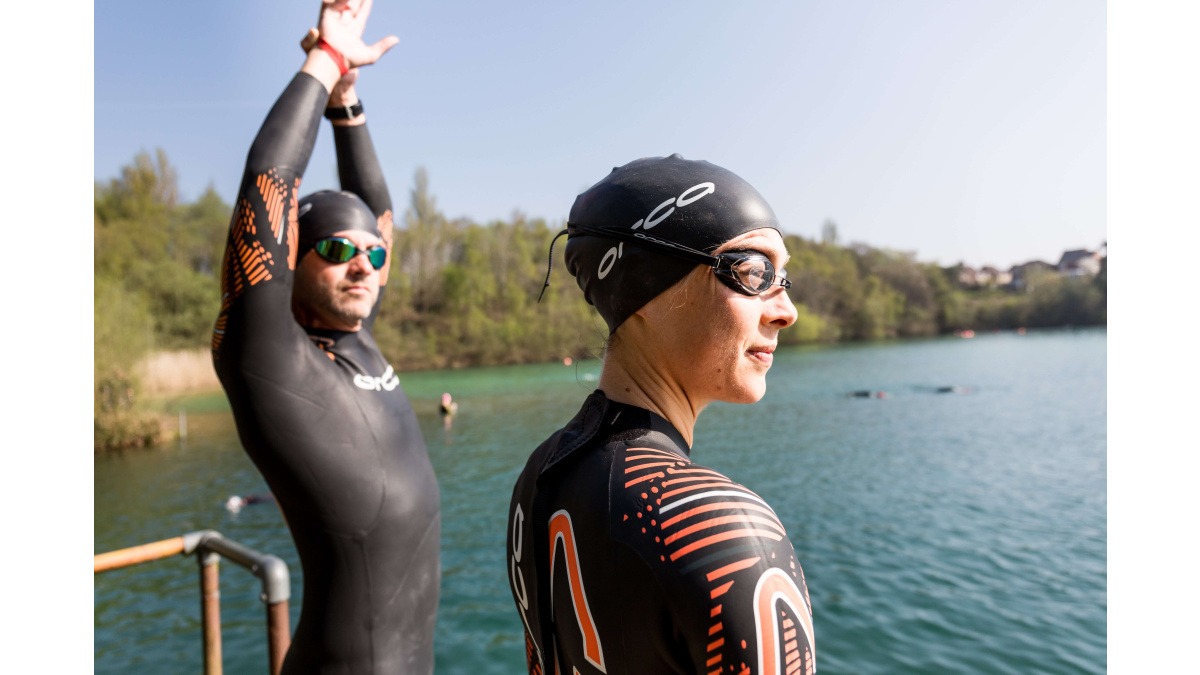
Why Register for a Triathlon Event?
The training season is in full swing, and as an endurance athlete, you might be wondering how to maintain that motivation necessary to push your limits. One of the best strategies is to sign up for a triathlon event. Not only does it provide a goal to strive for, but it also helps solidify your commitment to training. Here’s a comprehensive guide to why registering for a triathlon is a fantastic motivational boost and how to prepare effectively.
Benefits of Signing Up for a Triathlon
- Provides a Clear Goal: Having a specific date to work toward gives you a target. It frames your training, making it easier to focus your efforts.
- Creates Accountability: Knowing you're registered for a race can foster a sense of responsibility, encouraging you to stick to your training plan.
- Builds Community: Triathlons bring together a diverse group of athletes. Connecting with fellow competitors can provide invaluable support and motivation.
- Enhances Mindset: Training for an event cultivates a growth mindset. As you push through tough workouts, you learn to embrace challenges and setbacks.
- Celebrates Progress: Crossing the finish line of a triathlon is a remarkable achievement, allowing you to appreciate all the hard work and effort you put into your training.
Choosing Your Triathlon
When considering which triathlon to register for, various factors come into play. Here are some aspects to consider:
1. Distance
Triathlons vary in distance, ranging from the short Sprint to the challenging Ironman and everything in between. Understanding the distances will help you find a race that suits your current fitness level and training schedule.
2. Location
The venue of the triathlon can significantly impact your experience. Look for races in scenic areas that inspire and motivate you. Additionally, consider travel logistics and accommodation.
3. Date
Choose a race date that allows adequate time for preparation. Mark it on your calendar, and use it as a benchmark to gauge your training progress.
Preparing for Your Triathlon
After you’ve registered, the real work begins. Here’s how to prepare effectively:
1. Create a Training Plan
Your training plan should include a mix of swimming, biking, and running sessions. It's essential to structure your plan with periodization principles, which categorize your training into phases to maximize performance gains. Start with a base-building phase focused on endurance, gradually increasing intensity and incorporating speed work as your race day approaches.
2. Prioritize Nutrition
Nutrition plays a vital role in triathlon training. Prioritize a balanced diet rich in carbohydrates for energy, protein for muscle repair, and healthy fats for overall health. Here are some tips on nutrition:
- Consume complex carbohydrates like pasta and whole grains while training.
- Don't skimp on post-workout protein to aid recovery.
- Experiment with hydration strategies during training; a popular choice is electrolyte drinks to replenish lost minerals.
3. Focus on Recovery
Recovery is as crucial as training itself. Incorporate rest days in your schedule and prioritize sleep. Research suggests that adequate recovery aids performance and reduces the risk of injury (Maughan et al., 2018). Ensuring that your muscles have time to recuperate is essential for sustained performance over time.
Gear and Equipment Essentials
The right gear can significantly enhance your experience and performance. Here are essential items every triathlete should consider:
- Wetsuit: If your triathlon includes an open water swim, a wetsuit can help with buoyancy and body temperature regulation.
- Bike: Whether racing on a road bike or a triathlon-specific bike, ensure your equipment is fitted properly for comfort and efficiency.
- Running shoes: Invest time in finding the right pair that offers excellent fit and support for your running style.
- Hydration gear: A hydration system, be it a bottle or a vest, is vital for keeping you hydrated during your race.
Mental Preparation and Race Strategy
Triathlons are not only physically demanding but also mentally challenging. Here’s how to prepare mentally:
1. Visualization Techniques
Visualizing your race can significantly improve your mental state. Spend time imagining each phase of the race: swimming, cycling, and running. Visualize yourself overcoming obstacles and successfully reaching the finish line.
2. Develop a Race Strategy
Forming a detailed race plan is crucial. Consider factors like pacing, nutrition intake during the race, and transitions between swimming, cycling, and running. Discuss with experienced triathletes to glean insights into effective strategies.
Finding Balance as an Endurance Athlete
While the focus on training for your triathlon is essential, maintaining balance is critical. This will ensure that you keep the joy of the sport alive:
- Engage in cross-training activities to prevent burnout and injuries.
- Prioritize family time and social interactions to maintain emotional well-being.
- Listen to your body and adjust your training as necessary—it's okay to take a step back when needed.
Final Thoughts
Registering for a triathlon event at the beginning of the training season can set the tone for an enriching and fulfilling experience. With a clear goal in place, you can harness motivation, accountability, and a sense of community to enhance your training. As you embark on this journey, remember to focus on proper nutrition, ensure adequate recovery, and maintain a positive mental state, all of which will contribute to your success on race day. Ready to take the plunge? Sign up for a race, train hard, and enjoy the journey!
For a thorough look at the different distances available and how to prepare, check out our Complete Guide to Your First Triathlon Distance Choices Gear Plans Nutrition.
🧠 FAQ - Registering for a Triathlon
❓ What distance triathlon should I start with?
If you're new to triathlons, starting with a Sprint distance (750m swim, 20km bike, 5km run) is often recommended as it allows you to experience the event without overwhelming distances.
❓ How do I sign up for a triathlon?
You can sign up for a triathlon by visiting official event websites, where you can find registration options and details about the race.
❓ What should I eat before the race?
Consume a balanced meal containing carbohydrates, moderate protein, and low fats about 3-4 hours before the race. A bagel with peanut butter or oatmeal are good options.
❓ How can I prevent injuries during training?
Injury prevention can be enhanced by following a proper warm-up routine, incorporating rest days, cross-training, and listening to your body when it signals fatigue or pain.
❓ Is it necessary to have a triathlon-specific bike?
While a triathlon-specific bike can offer advantages, a well-fitted road bike can also work well for your first triathlon. Focus on comfort and efficiency over the gear type.
❓ How should I approach transitions during my race?
Practice transitioning during training sessions to gain familiarity with the process. Keep your transition area organized, and plan your order of operations to minimize downtime during transitions.