Discover How the Sole Trail Can Transform Your Stride for Optimal Trail Performance
By Sarah — translated from an article by Anthony Anne Published on 12/02/2026 at 19h00 Reading time : 3 minutes
Introduction to Sole Trail Technology
As endurance athletes, we're always on the lookout for ways to enhance our performance, especially on trail runs where conditions can be unpredictable. The right footwear can significantly influence your stride efficiency and overall experience. In this guide, we delve into how the Sole Trail can transform your stride for optimal trail performance.
Understanding the Mechanics Behind Stride
Your stride is the distance between two successive placements of the same foot. In trail running, it becomes crucial to adapt your stride to accommodate the various terrains and obstacles. Before we explore how Sole Trail technology can help, let’s review some key mechanical concepts:
- Cadence: The number of steps you take per minute.
- Stride Length: The distance covered in a single stride.
- Foot Strike Pattern: The way your foot lands on the ground: forefoot, midfoot, or heel striking.
The Role of Sole Trail Technology
Sole Trail technology focuses on enhancing grip, cushioning, and stability to help runners navigate challenging terrains effectively. Here's how it fundamentally alters your stride:
1. Improved Traction
The tread pattern designed in Sole Trail shoes provides exceptional traction, allowing for better grip on uneven surfaces. You can confidently navigate through mud, rocks, and steep inclines without losing your footing. For instance, while ascending a rocky trail, the unique lugs on the soles allow the rubber to mold to the contours of the rocks, providing a steadfast grip.
2. Enhanced Cushioning
Cushioning is vital to absorb the impacts from tough terrain. Sole Trail shoes utilize innovative foam technologies that offer responsive cushioning. This support reduces the stress on your joints, enhancing comfort during long runs and allowing you to maintain an efficient stride while minimizing fatigue.
3. Superior Stability
A shoe designed with Sole Trail technology provides additional stability, keeping your ankle supported on, and preventing rolling when navigating technical descents. The structured heel counter and midsole reinforce stability, allowing for a more controlled stride, which in turn decreases the risk of injuries.
Techniques to Maximize Sole Trail Benefits
Having the right footwear is only part of the equation. Here are practical techniques to ensure you maximize the performance benefits of Sole Trail shoes:
1. Adjust Your Cadence
One effective way to enhance your trail running is by increasing your cadence. Studies suggest a cadence of around 170-180 steps per minute is optimal for many runners. Incorporating Sole Trail shoes can make this adjustment easier, as their traction and cushioning support a quicker turnover.
2. Focus on Trail-Specific Drills
Incorporate drills such as hill repeats and agility exercises to simulate trail conditions. These workouts help improve your stride mechanics and prepare your body for the challenges of trail running.
Nutrition and Hydration Strategies for Trail Running
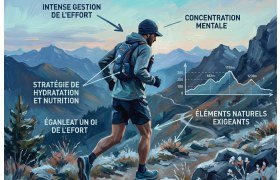
Efficient stride isn’t just about footwear; nutrition and hydration play vital roles, especially during prolonged trail activities. Proper nutrition can enhance your endurance and performance:
- Carbohydrates: Ensure your diet includes adequate carbs before long runs to fuel your journey.
- Electrolytes: When running in warm conditions, replenish electrolytes lost through sweat with electrolyte drinks or gels.
- Timing: Hydrate regularly during runs, approximately every 15–20 minutes, to prevent dehydration and maintain optimal performance.
Recovery: The Key to Building Endurance
Recovery is crucial for maintaining performance and minimizing the risk of injury. Here are tips to maximize recovery:
- Post-Run Nutrition: Consume a mix of carbs and protein within 30 minutes of finishing to support muscle recovery.
- Sleep: Prioritize 7-9 hours of quality sleep per night to help your body recover and adapt.
- Active Recovery: Engage in low-intensity activities such as yoga or walking to promote blood flow and healing.
Mental Preparation for Trail Running
Mental resilience is just as important as physical stamina. Here are techniques to cultivate a strong athlete mindset:
- Visualization: Mental imagery can boost confidence. Picture your run, including navigating difficult sections easily.
- Mindfulness: Practicing mindfulness can enhance focus, reducing anxiety and increasing enjoyment during your trail running sessions.
The Impact of Gear and Technology on Performance
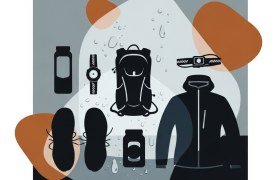
Trail running gear extends beyond shoes. Here are additional essentials that can enhance your performance:
- Hydration Packs: Carry water and fuel without slowing down.
- Trail Running Sunglasses: Protect your eyes from UV rays and debris.
- GPS Watches: Track your distance, pace, and elevation gain while providing insights into your performance.
Conclusion: Step Up Your Trail Game
Whether you’re preparing for your first trail race or aiming to beat your personal best, adapting proper stride mechanics and incorporating Sole Trail shoes into your routine can lead to significant improvements. Take the leap today—embrace the trail, optimize your stride, and boost your efficiency!
🧠 FAQ - Sole Trail and Trail Running
❓ What is Sole Trail technology?
Sole Trail technology involves specialized footwear designed to enhance traction, cushioning, and stability for trail runners.
❓ How can I improve my cadence during trail runs?
Aim for a cadence of 170-180 steps per minute and practice short, quick steps to enhance efficiency.
❓ What should I eat before a long trail run?
Focus on a carbohydrate-rich meal to provide energy, and consider small snacks such as energy bars or bananas.
❓ Why is recovery important in trail running?
Recovery helps in muscle repair, prevents injury, and allows optimal performance in future runs.
❓ How can I mentally prepare for trail racing?
Use visualization techniques to mentally rehearse your race and practice mindfulness to reduce anxiety and enhance focus.
❓ What gear should I invest in for trail running?
Invest in a good pair of trail shoes, hydration packs, sunglasses, and a GPS watch to enhance your running experience.
For more insights, check out our article on Enhancing Your Stride for Better Running on Rough Terrain.