How Cold Temperatures Impact Your Triathlon Performance and Preparation Strategies
By Sarah — translated from an article by Anthony Anne Published on 13/12/2025 at 19h00 Reading time : 2 minutes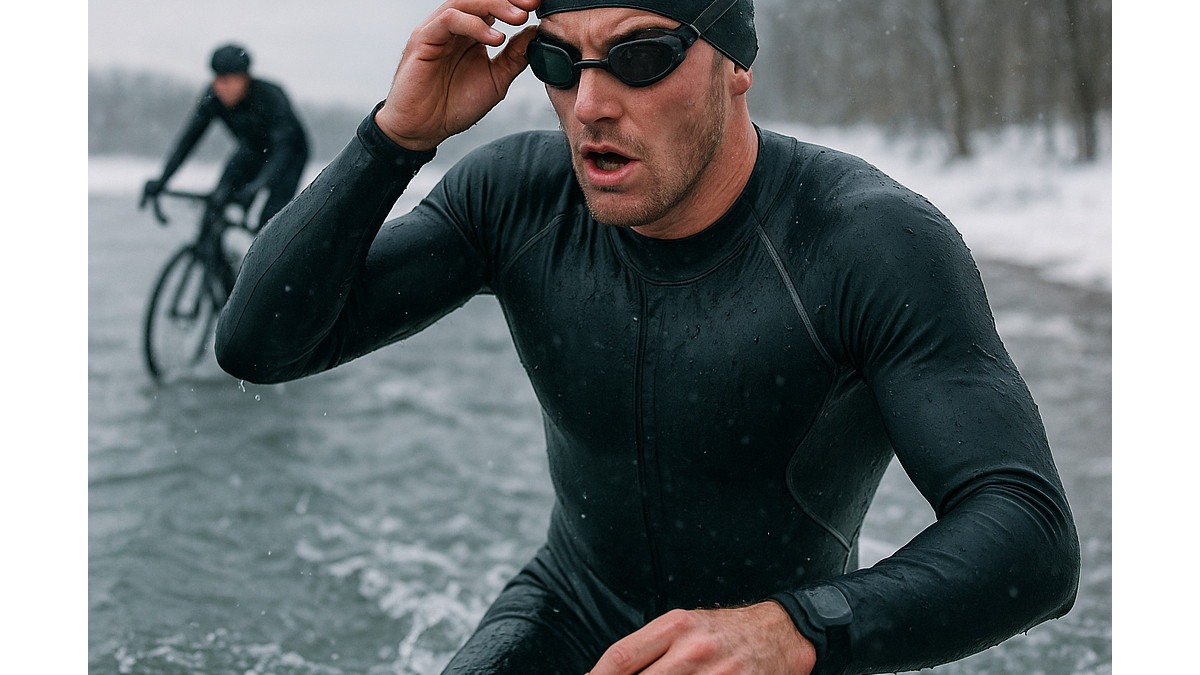
Understanding the Impact of Cold Temperatures on Triathlon Performance
Triathlons are known for their demanding nature, combining swimming, cycling, and running into one grueling race. When the temperature drops, athletes encounter unique challenges that can impact their performance. From hypothermia risk to diminished muscle function, understanding these effects is crucial for effective training and successful race day preparation.
The Physiological Effects of Cold
Cold weather can significantly affect endurance athletes in several ways:
- Decreased Muscle Performance: Cold temperatures reduce muscle temperature, leading to stiffness and decreased efficiency. Muscles must reach an optimal temperature to function effectively.
- Increased Risk of Injury: Cold muscles are less pliable, increasing the risk for strains and sprains. Warming up adequately becomes even more critical.
- Lowered Heart Rate: The body works harder to maintain its core temperature, which can lead to a lower heart rate during exercise, affecting overall output.
- Impaired Thermoregulation: Cold weather forces the body to divert blood away from the extremities to maintain core temperature, impacting hand and foot performance.
Psychological Impacts of Cold Weather
Cold conditions can also pose psychological challenges for triathletes:
- Mental Resistance: The discomfort associated with cold can deter motivation and mental focus, potentially leading to decreased performance.
- Increased Fatigue: The added effort to keep warm can lead to quicker onset of fatigue, affecting endurance during the swim, bike, and run.
Preparing for Cold Weather Conditions
Preparation is key to overcoming the challenges posed by cold temperatures. Here are effective strategies to ensure that you’re ready to perform your best:
1. Dress Appropriately
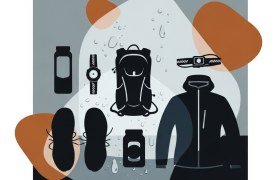
Layering your clothing is essential in cold conditions. Here’s how to dress for success:
- Base Layer: Start with moisture-wicking fabrics close to your skin to keep sweat away.
- Insulating Layer: Use thermal layers for added warmth without bulk. Fleece is a great option.
- Outer Layer: Windproof and waterproof jackets protect against the elements.
- Accessories: Don’t forget gloves and thermal headgear to prevent heat loss from extremities.
2. Proper Warm-Up Routine
A thorough warm-up becomes essential in colder conditions:
- Dynamic Stretching: Engage in dynamic movements to gradually increase muscle temperature.
- Shorter, High-Intensity Drills: Perform quick bursts of high-intensity activity (like short sprints) to elevate heart rate and warm-up muscles.
3. Optimal Nutrition and Hydration
Nutrition plays a vital role in maintaining performance in cold weather:
- Increase Caloric Intake: Cold weather can elevate your caloric needs. Ensure you’re consuming sufficient carbohydrates and proteins.
- Hydrate: Even in colder months, hydration is crucial. Drink water, but also consider warm beverages like herbal tea for comfort.
4. Equipment Considerations
Choosing the right gear can make a significant difference:
- Wetsuits: For open water swimming in colder conditions, a high-quality wetsuit is essential for warmth.
- Cold-Weather Tires: If cycling, consider tires designed for colder temperatures to enhance grip.
- Shoes: Look for shoes with thermal insulation to keep your feet warm and dry.
5. Race Strategy and Mental Preparation
Having a race strategy tailored to cold weather can ensure you perform your best:
- Set Realistic Goals: Adjust expectations according to conditions and adapt your pacing accordingly.
- Positive Visualization: Utilize mental imagery techniques to visualize a successful and smooth race experience.
- Stay Positive: Embrace the challenge and leverage positive self-talk to enhance your mental game.
6. Recovery in Cold Conditions
Recovery is just as vital as preparation. Post-race, consider the following:
- Rewarm your Body: After the race, use warm blankets and hot showers to gradually rewarm your muscles.
- Nutrition: Refuel with warm meals and hydration to aid recovery.
- Rest and Sleep: Ensure you get adequate rest to allow your body to recover fully.
Conclusion
Cold temperatures can be a significant factor in triathlon performance. However, with the right preparation strategies, athletes can successfully navigate these hurdles. By focusing on appropriate clothing, nutrition, and mental conditioning, you can optimize your performance and embrace the cold.
🧠 FAQ - Cold Weather Triathlon Preparation
❓ How does cold weather affect my swimming performance?
Cold water can lead to hypothermia and decreased muscle function, affecting your swim speed and efficiency.
❓ What should I eat before a cold weather race?
Focus on carbohydrates for energy and consider warm drinks like herbal tea to maintain warmth.
❓ Is a wetsuit necessary in cold water?
Yes, a wetsuit helps insulate your body and can prevent hypothermia in cold water.
❓ How can I stay motivated during a cold weather race?
Use positive self-talk and visualization techniques to boost your mood and focus during the race.
❓ What are the signs of hypothermia?
Signs include shivering, slowed breathing, confusion, and fatigue. If you notice these symptoms, seek warmth immediately.
❓ How important is recovery after racing in cold weather?
Recovery is crucial after any race, but especially in cold conditions to prevent injury and maintain overall health.