Learn How to Prepare for an Ice Water Triathlon with Advanced Physical and Mental Training Strategies
By Sarah — translated from an article by Anthony Anne Published on 12/12/2025 at 19h01 Reading time : 3 minutes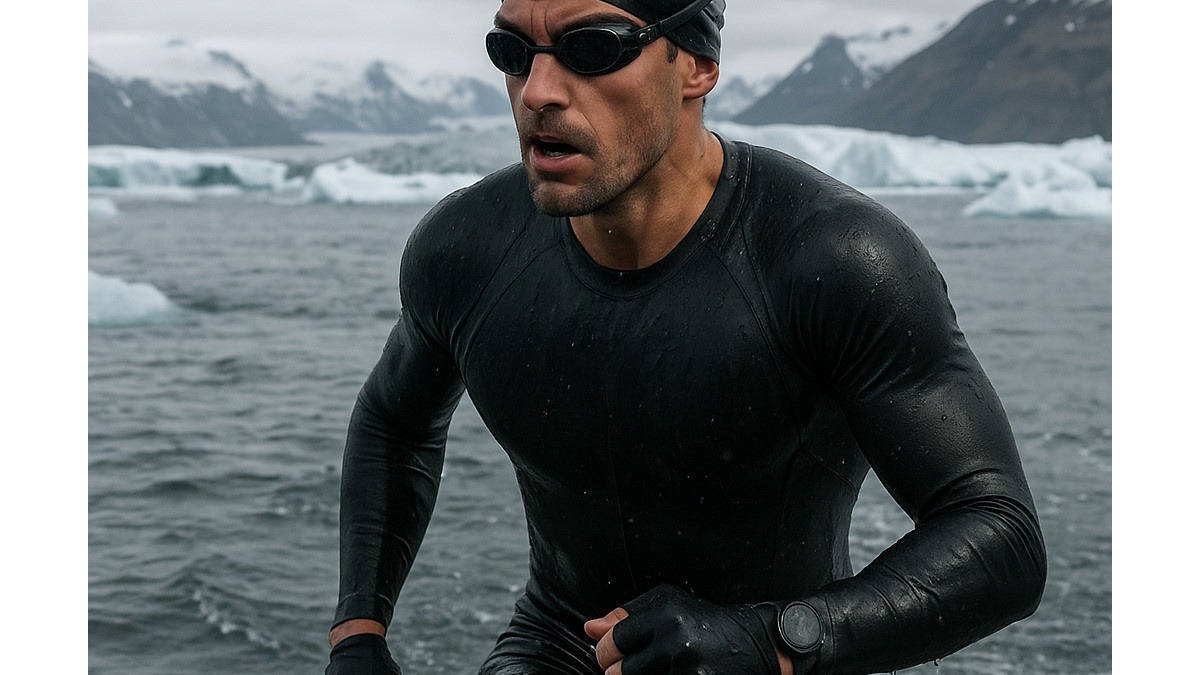
Introduction: Embracing the Challenge of Ice Water Triathlons
The ice water triathlon is not for the faint of heart. It demands peak physical performance and mental resilience, as athletes plunge into frigid waters, navigate challenging terrains, and conquer the unknown. This article will provide you with comprehensive training strategies tailored for surviving and thriving in this unique environment. We'll delve into advanced physical and mental training techniques to ensure you cross the finish line strong.
Understanding the Unique Demands of Ice Water Triathlons
Ice water triathlons combine swimming, cycling, and running in often extreme conditions. Here’s a breakdown of what to expect:
- Swimming: Temperatures can hover just above freezing, requiring your body to adapt to cold shock.
- Cycling: Slippery roads and cold winds can impede performance and increase injury risk.
- Running: Challenging terrains may include snow and ice, requiring surefootedness and stability.
Physical Training Strategies
1. Building a Solid Base
Prior to the start of your specific training, it’s crucial to establish a solid base of aerobic fitness. The following considerations are essential:
- Endurance Rides: Aim for long, steady-distance rides at a conversational pace to strengthen your cardiovascular system.
- Open Water Swimming: Regularly swim in chilly lakes to acclimatize your body to cold water and improve buoyancy.
- Running on Varied Surfaces: Include trails and snowy environments to enhance your stability and adaptability during races.
2. Specific Training for Cold Conditions
Once your base is established, it’s essential to integrate specific training focused on ice water conditions:
- Cold Water Exposure: Gradually increase the duration of your exposure to cold water during swims to boost your body’s adaptability and comfort.
- Gear Familiarization: Train in the wet suits and gear you'll be using to ensure comfort and efficiency.
- Wind Simulation: Utilize wind trainers and outdoor cycling in cold, windy conditions to prepare for elements you might face on race day.
3. Periodization of Training
Implement a periodized training plan to increase intensity and volume systematically. Structure your training in cycles:
- Base Phase: Focus on building aerobic endurance with long workouts.
- Build Phase: Introduce higher intensity sessions; include interval training in swimming and biking.
- Peak Phase: Attention to race simulations, practicing transitions, and pacing in cold environments.
Nutrition and Hydration Strategies
1. Pre-Race Nutrition
Your nutritional approach directly impacts your performance in an ice water triathlon. Consider these strategies:
- Carbohydrate Loading: Increase your carbohydrate intake leading up to the event to maximize glycogen stores.
- Healthy Fats: Include sources of Omega-3 fatty acids to aid in reducing inflammation and improving cardiovascular health.
2. On-the-Go Nutrition
During the race, you’ll need to fuel efficiently:
- Hydration Strategy: Use electrolytes that help to maintain proper fluid balance while preventing hyponatremia.
- Easy-to-Digest Foods: Opt for energy gels, chews, or bars before cycling and running to keep energy levels consistent.
Recovery: The Key to Sustained Performance
1. Importance of Recovery
Recovery is an integral part of an athlete’s training program, especially in cold environments where stress and strain can increase. Essential recovery strategies include:
- Active Recovery Days: Include low-intensity workouts such as yoga or easy cycling.
- Nutrition Post-Workout: Consume protein and carbs post-exercise to facilitate muscle recovery.
2. Sleep as a Recovery Tool
Quality sleep is crucial for recovery and performance. Aim for 7-9 hours of uninterrupted sleep, focusing on:
- Consistency: Go to bed and awaken at the same times to regulate your internal clock.
- Environment: Ensure your sleep environment is dark and cool, minimizing distractions.
Mental Preparation for Ice Water Triathlons
1. Visualization Techniques
Visualizing success can be a powerful tool for mental framing. Try these practices:
- Scenario Simulation: Imagine every aspect of your race, from the cold water plunge to crossing the finish line.
- Positive Affirmations: Use positive self-talk to foster confidence.
2. Building Mental Resilience
Endurance sports require psychological fortitude. Build your mental strength through:
- Mindfulness Practices: Engage in meditation to enhance focus and calm racing nerves.
- Progressive Muscle Relaxation: This can help alleviate stress before heading into cold water.
Race Day Strategy
1. Pre-Race Checklist
Ensure you’re fully prepared by creating a pre-race checklist:
- Review your race strategy, including planned pacing and nutrition.
- Check weather conditions and adapt your gear accordingly.
2. Transition Tips
Efficient transitions can greatly impact your finish:
- Practice entering and exiting your wetsuit swiftly in training.
- Familiarize yourself with your transition area to minimize time wasted.
Conclusion: Achieving Success in Ice Water Triathlons
Preparing for an ice water triathlon requires a thoughtful balance of physical training, nutrition, recovery, and mental fortitude. By employing these advanced strategies, you'll be equipped to face the challenges head-on and achieve your racing goals. Don’t forget to check out our article on Train Safely and Effectively in Hot Weather for Endurance Athletes for additional insights into various environmental conditions.
🧠 FAQ - Ice Water Triathlons
❓ What gear do I need for an ice water triathlon?
You'll need a high-quality wetsuit designed for cold water, swim cap, goggles, cycling gear, running shoes, and possibly gloves and booties for added warmth.
❓ How can I acclimatize to cold water?
Gradually increase your exposure to cold water by swimming in it weekly, starting with shorter durations and progressing as your body adapts.
❓ What should I eat before an ice water triathlon?
Focus on a carbohydrate-rich meal a few hours before your race, paired with some healthy fats and a light protein source.
❓ How important is recovery after the race?
Recovery is crucial for repairing muscles and reducing fatigue. Prioritize hydration, nutrition, and rest after the race.
❓ Can I still perform well in cold weather?
Yes! With proper gear and acclimatization, you can perform optimally. Mental preparation also plays a key role in your success.
❓ What mental strategies can I use during training?
Use visualization techniques, positive affirmations, and mindfulness practices to enhance your mental strength and focus during training.