Healthy Eating on Long Bike Rides: Fueling Your Performance
By Sarah — translated from an article by Anthony Anne Published on 14/12/2025 at 07h01 Reading time : 3 minutes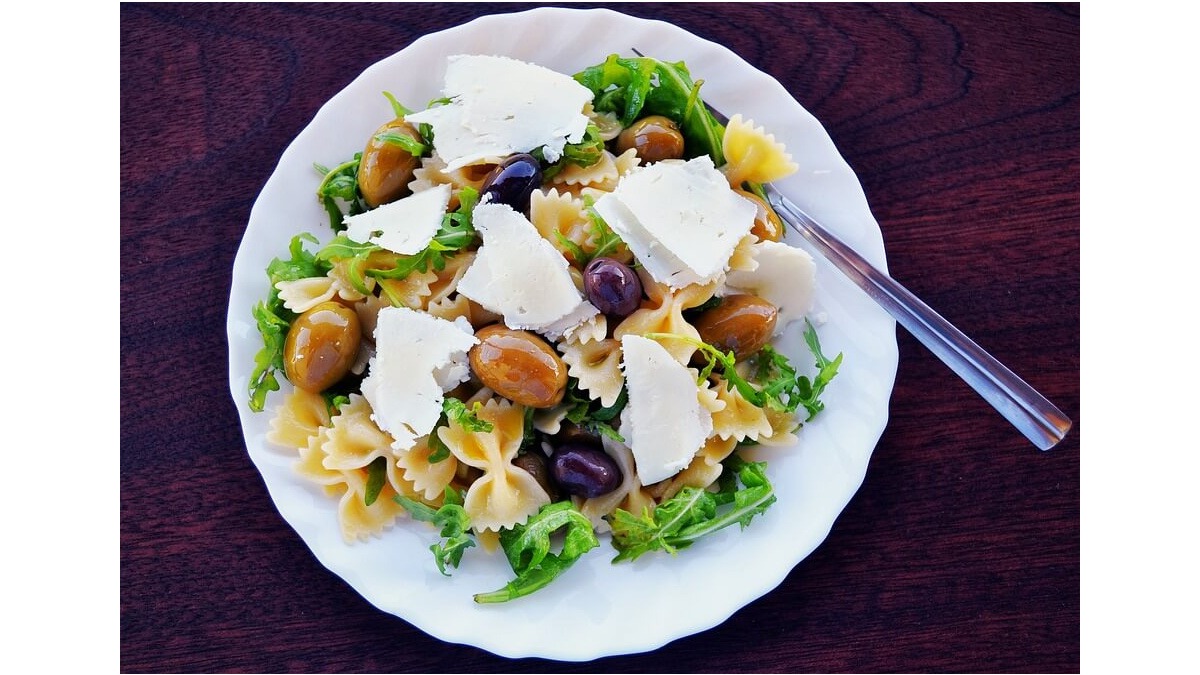
Healthy Eating on Long Bike Rides: Fueling Your Performance
Long bike rides can be both exhilarating and challenging. Whether you are an amateur cyclist looking to enjoy your weekend rides or a seasoned athlete training for your next triathlon, understanding healthy eating on these rides is crucial for maximizing your performance. Proper nutrition not only helps to enhance endurance but also plays a significant role in recovery and overall health.
The Importance of Nutrition in Cycling
During long rides, your body relies heavily on the fuel you provide. Fatigue, cramps, and decreased performance can occur if you neglect your nutritional needs. The food you consume before, during, and after your ride has profound effects on your energy levels, hydration, and recovery.
Pre-Ride Nutrition: Setting the Stage
What you eat before your ride can set the tone for the performance ahead. A well-balanced meal or snack, consisting of carbohydrates, proteins, and healthy fats, is essential.
- Carbohydrates: The primary fuel source for cyclists. Opt for complex carbohydrates such as whole grain bread, pasta, or oatmeal.
- Protein: Helps with muscle repair. Include lean proteins like chicken, fish, or plant-based options such as beans and legumes.
- Healthy Fats: Incorporate sources like nuts, seeds, or avocado to provide sustained energy.
Ideally, eat your meal 3-4 hours before the ride. For shorter rides, a light snack 30-60 minutes prior, like a banana or an energy bar, can suffice.
During the Ride: Keeping Energy Levels Up
For long rides exceeding an hour, replenishing energy is vital to maintaining performance. Here are some effective strategies:
- Hydration: Start hydrating before you feel thirsty. Aim for 20-24 ounces of water every hour, and consider electrolyte drinks if your ride exceeds 2 hours.
- Quick-Carb Sources: Ideal during rides are gels, gummy bears, or energy bars providing approximately 30-60 grams of carbohydrates per hour.
- Bananas and Dried Fruits: These are great natural sources of energy and easy to digest.
- Sandwiches: For those who prefer whole foods, a simple peanut butter and jelly sandwich can be a perfect on-the-go option.
Listening to your body is key. If you're feeling hungry, don’t hesitate to eat more.
Post-Ride Nutrition: Rebuilding and Recovering
After a long ride, your body is in recovery mode, and nutrition plays a vital role in replenishing lost nutrients and repairing muscles.
- Carbohydrates: Consume a carbohydrate-rich meal within 30 minutes post-ride. Options include rice, whole grain wraps, or smoothies.
- Proteins: Include protein to repair muscles. A simple protein shake, Greek yogurt, or a tuna sandwich can do the trick.
- Hydrate: Continue hydrating after your ride to replace lost fluids.
Research suggests that the ideal post-exercise recovery ratio is roughly 3:1 or 4:1 carbohydrates to protein for optimal recovery (Glycogen Resynthesis Post-Exercise). Consistent focus on recovery nutrition can substantially improve your subsequent performance.
Nutrition Tips for Endurance
Experiment and Personalize
Every cyclist should understand that nutrition is not one-size-fits-all. Testing different foods before, during, and after rides will help you learn what works best for your body. Some gut-friendly options for you might not sit well with others.
Learn to Listen to Your Body
Pay attention to your body’s hunger cues. If you're feeling sluggish or notice drops in energy, reassess your nutritional strategy. Fuel proactively to ensure you are prepared for your ride.
Stay Balanced Throughout the Week
Healthy eating extends beyond just ride days. Establish a balanced diet throughout the week to support your endurance training. Incorporate a variety of spices, colors, and types of food into your meals to provide all necessary nutrients.
Conclusion
Successful cycling performance hinges significantly on what you eat and drink. By ensuring proper healthy eating on long bike rides, you can maximize your endurance and overall cycling experience. Start by planning your pre-ride meals, staying hydrated, and focusing on recovery afterward. With mindful nutrition, you'll find yourself enjoying every ride while achieving your cycling goals!
🧠 FAQ - Healthy Eating on Long Bike Rides
❓ What should I eat before a long bike ride?
Before a long bike ride, aim for a balanced meal that includes carbohydrates, proteins, and healthy fats. Foods like oatmeal, whole grain bread with peanut butter, or a smoothie with fruit and protein powder are great options.
❓ How often should I eat during a long bike ride?
During rides longer than an hour, aim to consume 30-60 grams of carbohydrates every hour. Quick sources of energy like energy gels, bananas, or energy bars work well.
❓ What is the best recovery food after cycling?
The best recovery foods are around a 3:1 or 4:1 ratio of carbohydrates to protein, such as a smoothie, a protein shake with fruit, or a turkey sandwich on whole grain bread.
❓ Do I need to eat the same foods everyone else eats during a ride?
No, nutrition is very personal. Test various foods during your training to find what sits well with your stomach and keeps your energy up.
❓ How important is hydration during long bike rides?
Hydration is crucial during long rides. Drink water consistently and consider electrolyte drinks for rides over 2 hours to maintain fluid balance.
❓ Can I use energy drinks instead of water during a long bike ride?
Yes, you can use energy drinks, especially during extended rides, but balance them with plain water to ensure you're getting enough hydration without excess sugar.