Prepare for Your Triathlon with Ease! Check Out Our Complete Equipment Checklist for Each Segment (Swimming, Cycling, Running) and Key Accessories for Your Success.
By Sarah — translated from an article by Charly Cabaut Published on 19/12/2025 at 19h01 Reading time : 3 minutes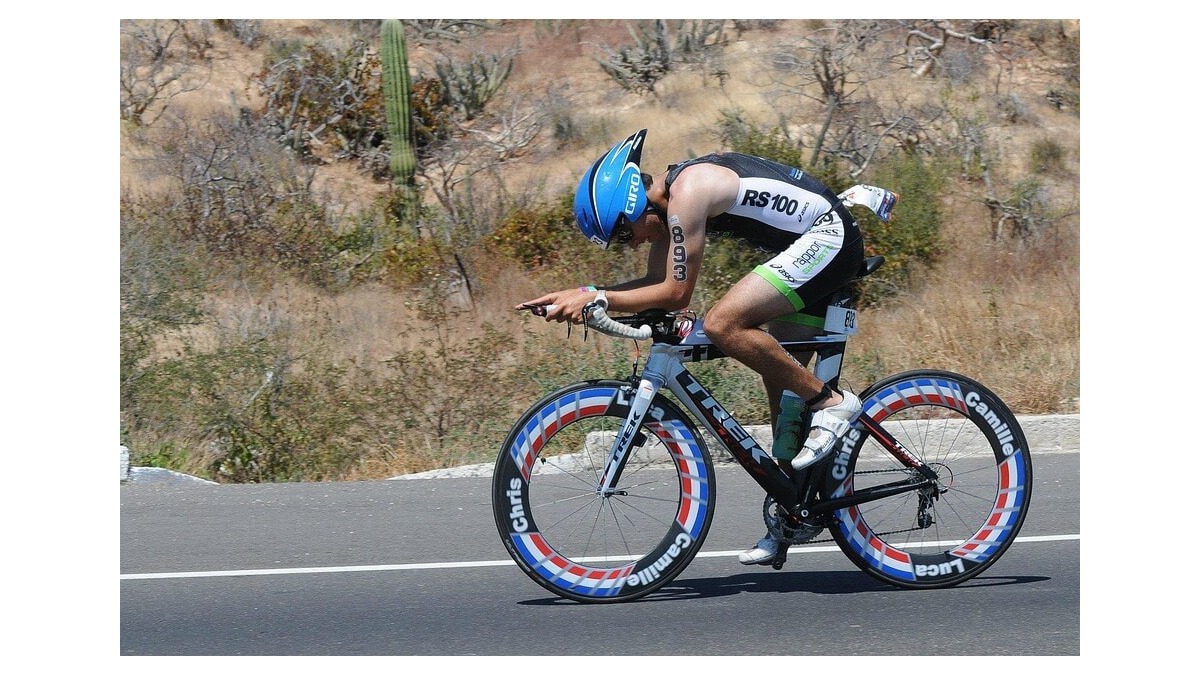
Getting Ready for Your Triathlon: An Ultimate Equipment Checklist
Preparing for a triathlon can be a daunting task, especially for athletes who are new to the sport. One of the most crucial aspects of successful triathlon participation lies in having the right gear. This article aims to provide an in-depth equipment checklist segmented into swimming, cycling, and running, while also highlighting key accessories that can significantly enhance your performance.
Triathlon Equipment Essentials
Before diving deeper, let’s summarize the main components you’ll need for each segment of the triathlon.
- Swimming: Wetsuit, goggles, swim cap, and swim buoy.
- Cycling: Road bike, helmet, cycling shoes, and hydration system.
- Running: Running shoes, comfortable clothing, hydration belt, and a GPS watch.
Swimming Gear
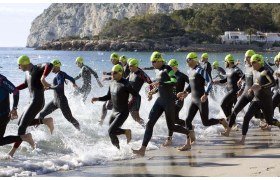
The swimming portion of a triathlon is often the most intimidating aspect, especially for novices. The right gear can help build your confidence and enhance your performance in the water.
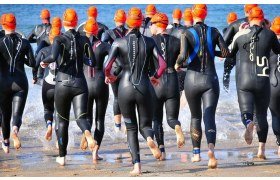
1. Wetsuit
A wetsuit is essential for triathlons held in cooler waters. Not only does it keep you warm, but it also provides buoyancy that can help improve your swimming efficiency. Look for a wetsuit that fits snugly but not too tight—comfort is key to maintaining mobility.
2. Goggles
Ensure you have quality goggles that offer good visibility and a comfortable fit. Anti-fog and UV protection features are crucial for prolonged swims.
3. Swim Cap
Swim caps are often provided in triathlon events, but it’s beneficial to have your own that fits well. They reduce drag and keep your hair out of your face.
4. Swim Buoy
While not a mandatory item, swim buoys can enhance safety during open water swims. They make it easier for kayakers and other boaters to spot you in the water.
Cycling Gear
Transitioning from water to land can be smoother with the right cycling gear. Here’s what you should consider:
1. Road Bike
Invest in a good quality road bike that suits your riding style. Ensure it is properly fitted to your body to enhance comfort and performance during your ride.
2. Helmet
Safety first! A well-fitting helmet is a must-have for cycling. Make sure it meets safety standards and is comfortable for long rides.
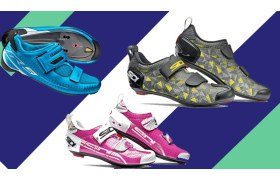
3. Cycling Shoes
Cycling shoes improve your pedal stroke efficiency. Consider shoes compatible with your bike’s pedal system for maximum performance.
4. Hydration System
Staying hydrated during your ride is critical. Use a hydration pack or water bottles mounted on your bike to make fluid intake easier.
Transitioning from Swimming to Biking
Consider having a transition bag to keep your cycling gear organized and easily accessible. This will make changing from your swim gear to your cycling outfit a breeze.
Running Gear
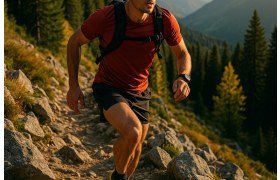
As the final leg of the triathlon, running gear should be functional and comfortable to sustain you through the finish line.
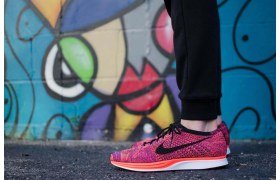
1. Running Shoes
Your running shoes should be specifically designed for your foot type and running style. Get fitted at a specialized store to find the perfect match.
2. Comfortable Clothing
Opt for moisture-wicking apparel that allows free movement. Choose clothing styles that won’t cause chafing or discomfort during your run.
3. Hydration Belt
A hydration belt can hold small water bottles and energy gels, ensuring that you stay hydrated without hindering your performance.
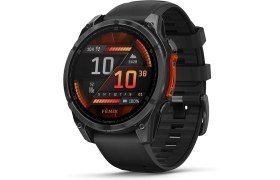
4. GPS Watch
A GPS watch can help monitor your pace, heart rate, and distance covered during the running segment, aiding in performance analytics.
Accessories for Optimal Performance
Beyond essential racing gear, here are some additional accessories that can make a noticeable difference:
1. Sunglasses
Quality sunglasses offer UV protection and enhance visibility under bright conditions. Look for a lightweight and comfortable pair that won’t slip during your events.
2. Nutrition Tools
Energy gels, bars, and electrolyte tablets are vital for fueling your body during the race. Practice taking these during your training sessions to determine what works best for you.
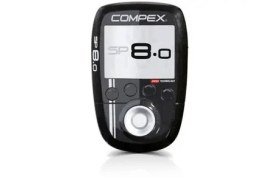
3. Recovery Tools
Tools like foam rollers and massage sticks can aid in post-race recovery. Invest in these to help alleviate any muscle soreness after your triathlon.
Final Tips for Triathlon Preparedness
As you gear up for your next triathlon, remember these final tips:
- Start your training well in advance to familiarize yourself with all equipment.
- Practice transitions to ensure you are quick and efficient during the race.
- Test all equipment and gear during training sessions to avoid surprises on race day.
For more essential items you shouldn’t forget, check out our guide on 10 Essential Items to Remember for Your Next Triathlon – Avoid Surprises on Race Day!.
🧠 FAQ - Triathlon Equipment
❓ What is the most important gear for a triathlon?
While all gear is important, a proper wetsuit, road bike, and running shoes are considered essential for optimal performance across all three segments.
❓ How should I choose a wetsuit?
Look for a wetsuit that fits snugly without restricting movement. Consider your local water temperatures and choose a suit appropriate for those conditions.
❓ Can I use my regular running shoes for triathlons?
While you can use regular running shoes, it's highly recommended to have specific triathlon running shoes that provide better performance and fit.
❓ How do I prepare my equipment before race day?
Practice using all your gear during training. On race day, pack your gear the night before and ensure everything is in working order.
❓ Should I wear socks during the race?
It depends on your preference and the distance of the race. Some athletes choose to go sockless to save time in transitions.
❓ How can I ensure my bike is race-ready?
Check your tire pressure, brakes, and chain lubrication. Ensure that your bike is fitted properly and practice riding it multiple times before the event.